
Stay for the Corpse Pose
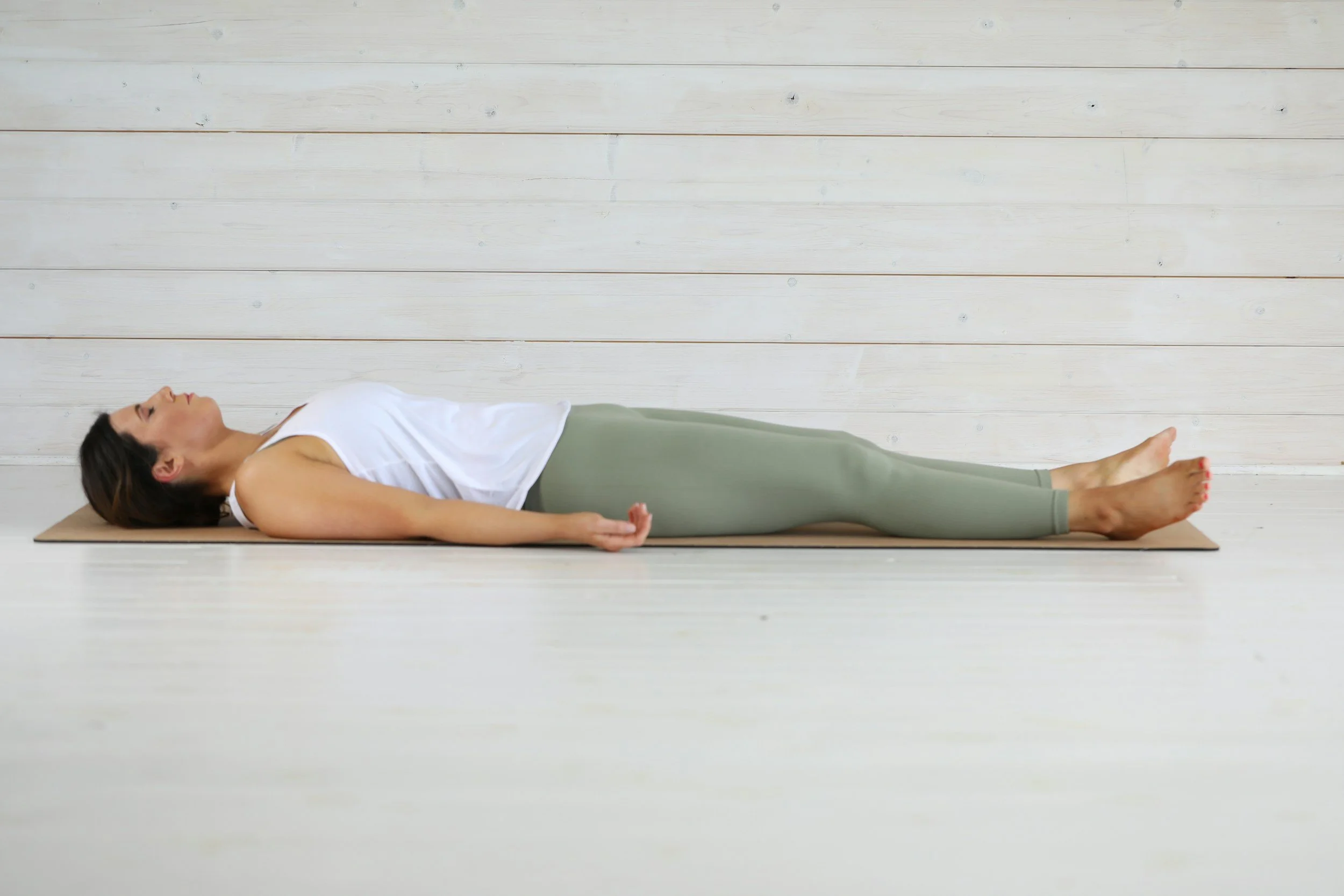
A few years ago, a guy in my class started rolling up his mat the moment we hit the floor for cool down and then Savasana. He did it quietly, to his credit. He tiptoed to the door with his sneakers in hand, and I let him go. The next week he did it again. The week after that, I caught him before class and asked why.
"Honestly? I figured that part was optional," he said. "It's just lying there."
He was right about the lying there. He was wrong about the rest.
Here's my unpopular opinion: Savasana is the most important pose in class. It's not a cooldown or a courtesy. If you only had time for one pose, I'd tell you to pick this one, and I've been teaching long enough to have heard every argument against it.
The name means corpse pose. Shava is corpse, asana is pose. Grim, sure. It's also the clearest instruction yoga ever gives you: let go, all the way, like a body that doesn't need anything from anybody anymore.
And that's hard. Way harder than it looks. Every other pose gives you a job. Press here, lift there, breathe into the side body, whatever that means to you on a given Tuesday. Savasana takes the job away. There's no shape to nail and no way to be good at it. I've watched students who can float into a handstand lie on their backs for ten minutes looking like they're waiting for a root canal.
My first year practicing, I hated it. I'd lie there making grocery lists and planning emails. Once I mentally reorganized my entire laptop. If your brain does that, you're not doing it wrong. That's just what a mind looks like the first few dozen times you ask it to sit still.
Some history helps, and here I'm going to lean on someone who explains it better than I can. Nikita Desai is a yoga teacher in London, and her story is a good reminder of how narrow our Western picture of yoga can be. She grew up in a Hindu household in the UK where yogic practice was part of everyday life, but it looked more like devotion than physical poses. She only found yoga as we know it here after a skydiving accident in her early twenties fractured her spine and she went looking for a way to heal without major surgery.
Her book, A Beginner's Guide to the Roots of Yoga, makes an argument I agree with completely. In her view, traditional yoga centers on inclusivity, inner work and peace, and the version practiced in the West has drifted away from that, getting wrapped up in poses, pricey outfits and picture-perfect bodies. If you want to understand what you're actually part of when you walk into a studio, it's the book I'd hand you.
Savasana is one of the places where those roots still show. The old eight-limb path from Patanjali treats the physical poses as one piece of a bigger practice. After the body comes the breath, then turning your senses inward, then concentration. Savasana itself shows up later, in the hatha yoga texts, but it sits right at that turning point. You spend most of an hour doing things with your body. Then you stop, and your attention finally has somewhere else to go.
Desai puts the purpose plainly. She says the biggest reason to practice Savasana is to give your body and mind time to absorb the practice you just did. Staying still on purpose loosens your grip on everyday attachments, slows your racing thoughts, and brings you into the present. In other words, the class isn't over when the moving stops. That's when the practice gets a chance to sink in.
Your nervous system agrees, by the way. Hard effort puts you in alert mode. Lying still and breathing slowly afterward is how your body learns it's safe to rest and recover. You can believe the ancient version or the science version. I don't care which. Just stay on the floor.
If stillness is rough for you right now, a few things help. A folded blanket under your knees takes pressure off your lower back. An eye pillow helps, or you can drape your forearm over your eyes. Our front room gets strong sun in the late afternoon, so grab one on your way in. And if ten minutes feels impossible, do five. Five beats zero every time.
We've been teaching in Pembroke since 2010. Power Vinyasa, Restorative, Soulful Slow Flow, Yoga Basics: every one of them ends the same way, and that isn't changing. The guy from class stays now, by the way. Last month he told me it's the only ten minutes all week when nobody needs anything from him.
So next time you feel the tug toward the door, try staying instead. Give it one more minute than you think you can.