What the Science Behind Yoga Is Actually Telling Us
The research on yoga has been growing steadily for decades, and the findings keep pointing in the same direction. Reduced cortisol. Lower resting heart rate. Measurable changes in brain structure after sustained practice. Improved sleep quality. Shifts in how the nervous system responds to stress. The list continues to grow.
Read More
What Makes a Good Yoga Teacher?
Most students know within a few classes whether they like a particular teacher, but explaining why is harder. Something about the way the class is structured, the way cues land, whether you felt seen or guided or challenged in a way that felt right: these are real things but they are hard to articulate. Understanding what actually distinguishes a good yoga teacher from a mediocre one makes you a better “consumer” of what is available and helps you build the kind of teacher-student relationship that genuinely supports your practice over time.
Read More
Tarot Is a Tool for Reflection, Not a Crystal Ball
Most people approach tarot carrying a set of assumptions: someone across a table turning cards face-up one by one, delivering news about what is coming. That image is vivid enough that it keeps a lot of curious people from ever actually picking up a deck. But that is not what most people who use tarot are doing with it.
Read More
What to Expect at Your First Yoga Class: A Beginner's Guide
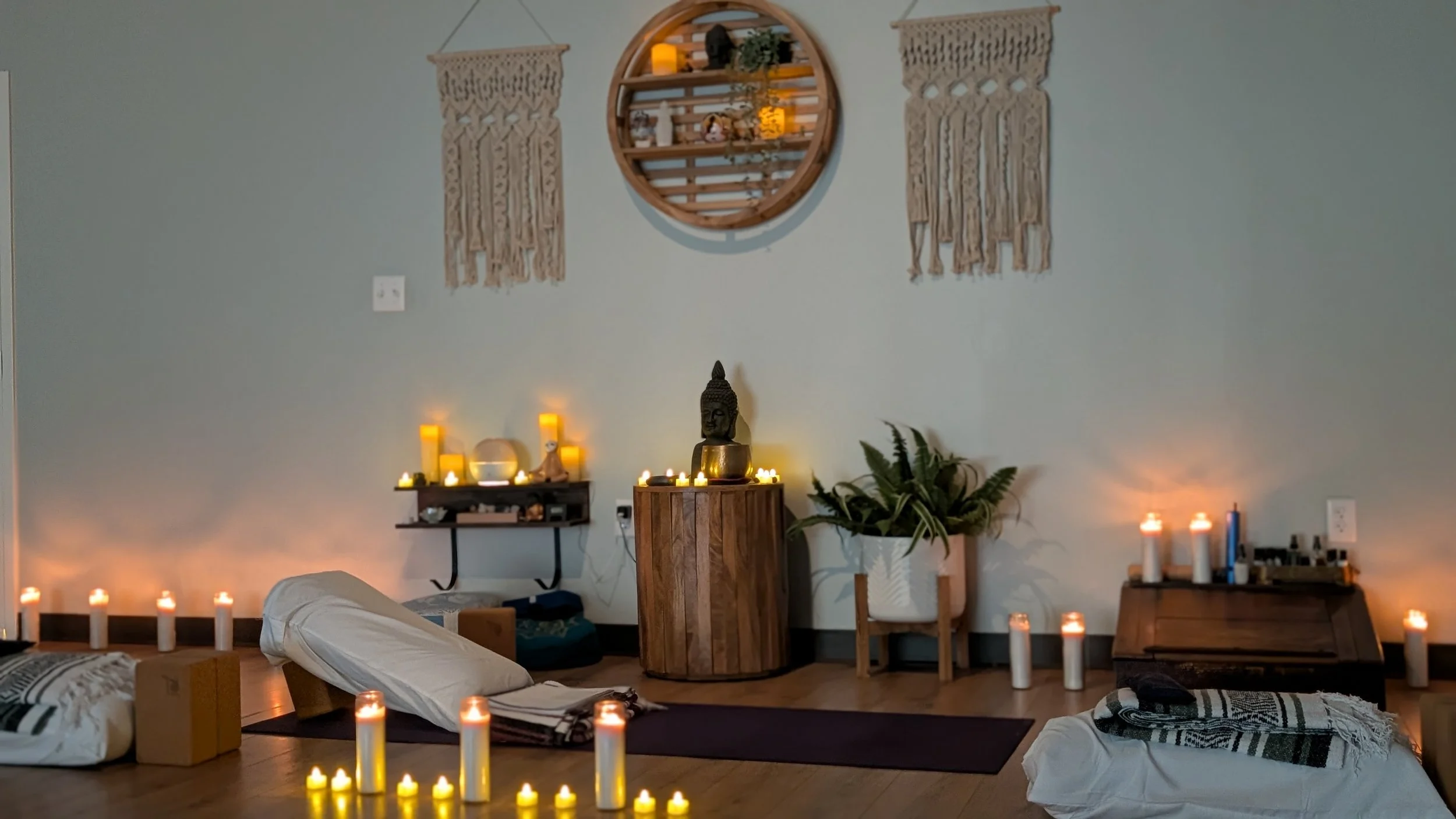
Walking into a yoga studio for the first time involves a particular kind of uncertainty that is hard to describe to people who have not felt it. You are not sure what you are supposed to do with your body, what the room will feel like, or whether everyone else will somehow already know what is happening. The answer to that last one is no. Every person currently practicing at Emerald was a confused beginner once, and the classes and processes here are built with that in mind. You do not need to be flexible, experienced, or in any particular shape to walk through the door. You just need to show up. What follows is an honest account of what your first visit will actually look like, from booking to the last breath of class.
Read More
Stay for the Corpse Pose
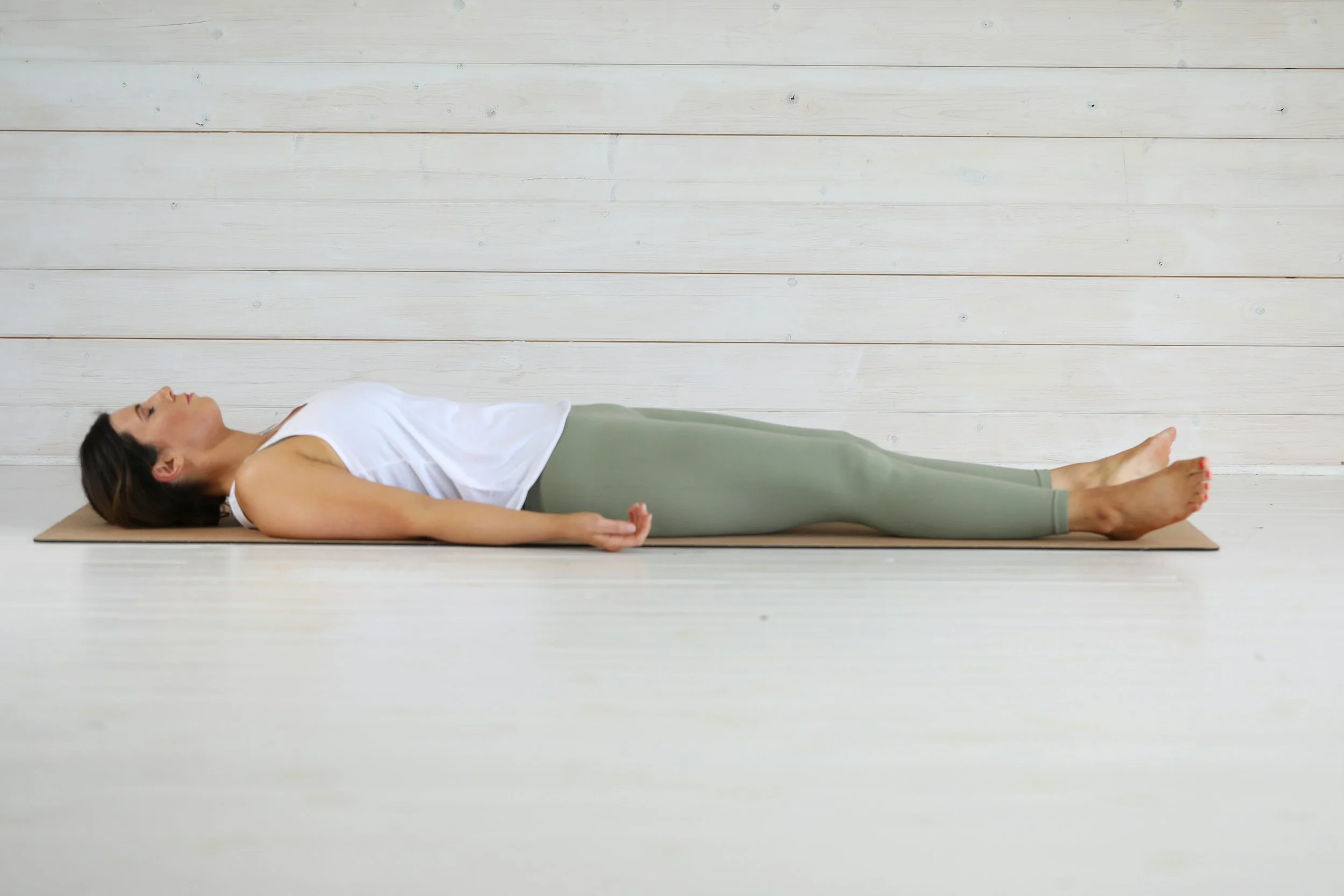
A few years ago, a guy in my class started rolling up his mat the moment we hit the floor for cool down and then Savasana. He did it quietly, to his credit. He tiptoed to the door with his sneakers in hand, and I let him go. The next week he did it again. The week after that, I caught him before class and asked why.
Read More
The Truth About Props (And Why Grabbing a Block Isn't Cheating)
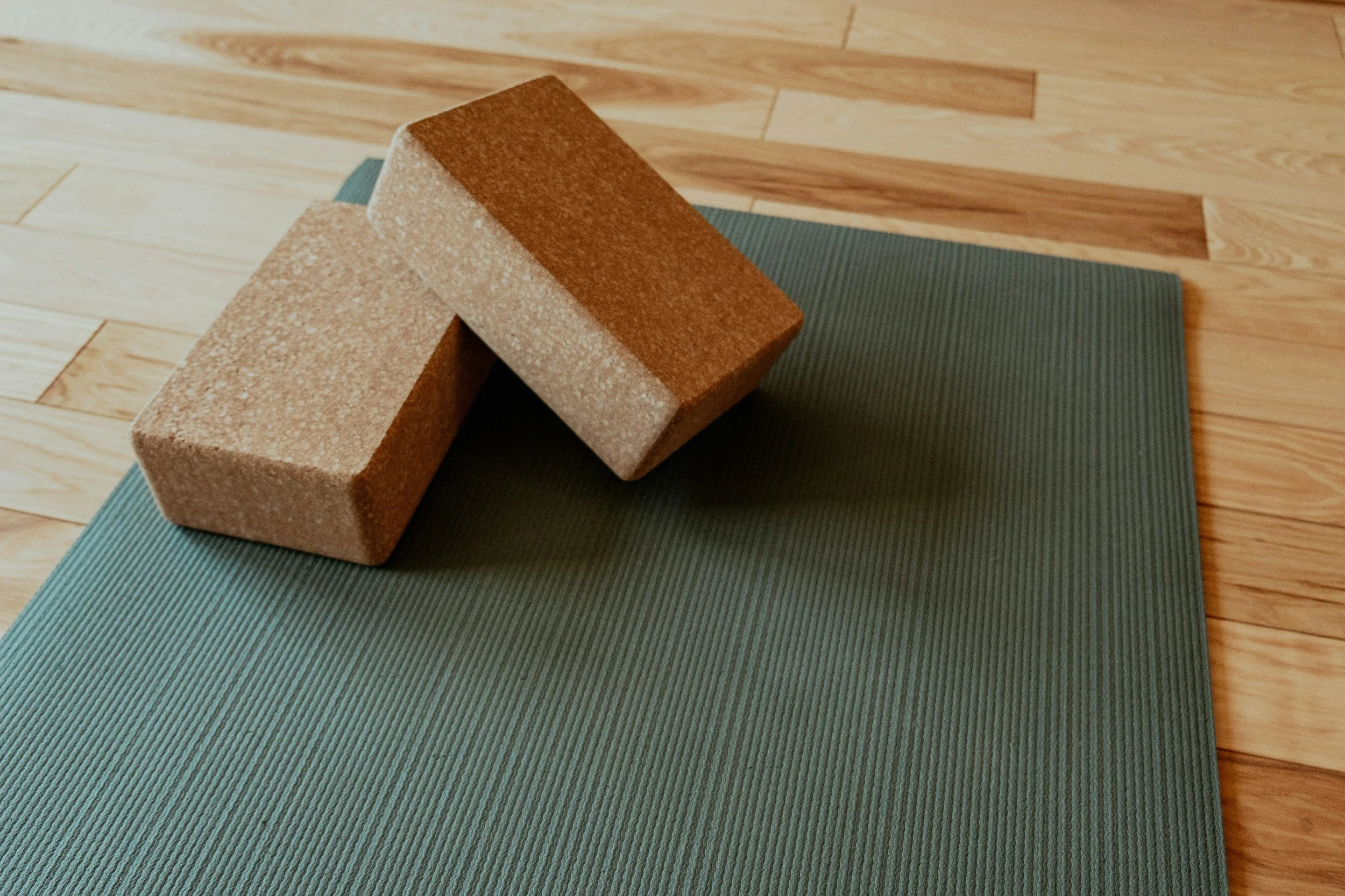
There’s a specific kind of hesitation that happens right before a new student reaches for a block. You can almost see the thought cross their face: if I need this, I must be doing it wrong. So the hand pulls back, the reach doesn’t happen, and they spend the next few minutes straining toward the floor instead, jaw tight, breath shallow, waiting for the pose to end.
Read More
The Person Next to You Is Not Your Yardstick
Walk into almost any yoga class for the first time and your eyes will do something automatic before your body even gets settled on the mat. They’ll scan the room. Who looks calm, who looks strong, who’s folding further forward than you are, who’s balancing on one leg without wobbling. It happens in seconds, mostly without you choosing it, and it sets the emotional tone for the entire class that follows.
Read More
Morning or Evening? What Your Body (and Ayurveda) Actually Have to Say
We get some version of this question all the time: should I be taking a morning class or an evening one? It's usually asked like there's a correct answer waiting to be discovered, some optimal window that serious practitioners know about and everyone else is missing. There isn't. But the question is still worth taking seriously, because the honest answer is more useful than a simple ranking would be.
Your body is genuinely different at 7am than it is at 7pm, and it's worth knowing how before you pick a time slot.
Read More
The Real Reason People Quit Somewhere Around Week Six
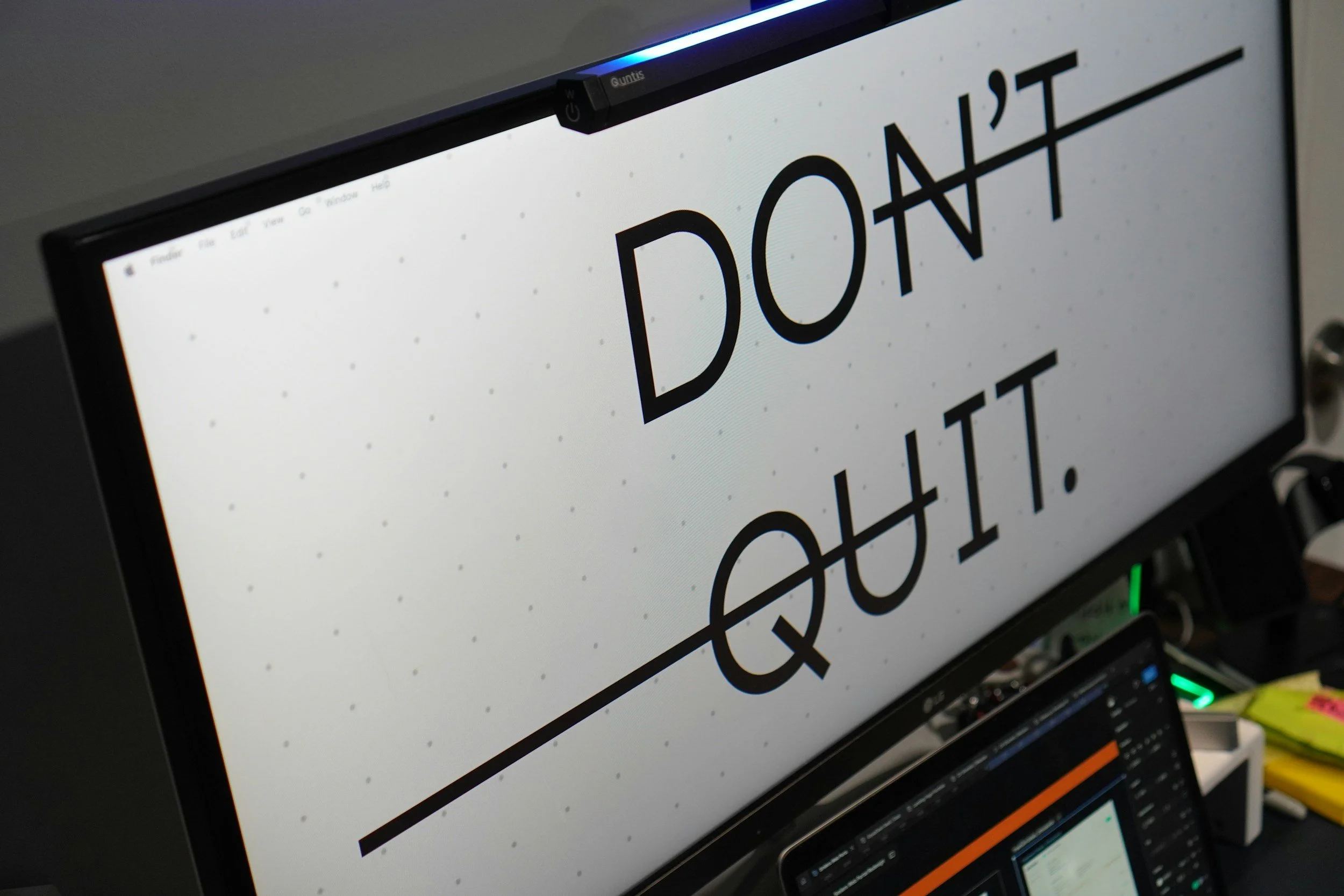
If you’ve ever started a yoga practice with real enthusiasm and then quietly stopped going a month or two later, you’re not the exception. You’re the pattern. Most people who try yoga for the first time drop off somewhere between week six and week ten, and it almost never has anything to do with willpower.
Read More
You Do Not Need to Be Flexible to Start Yoga
The single most common reason people give for not trying yoga is that they are not flexible enough. It comes up so often that most yoga teachers have a stock response ready, something reassuring about how everyone starts somewhere. The reassurance is true but it does not fully address the underlying misconception, which is that yoga is a flexibility practice and that people who are not flexible are therefore not suited to it.
Read More
What Yoga Actually Does for Anxiety
Anxiety and stress are related but they are not the same thing, and the distinction matters for understanding why yoga helps with both and how it helps with each differently. Stress is usually a response to something external: too much to do, not enough time, a difficult situation that needs managing. Remove the stressor and the stress tends to resolve. Anxiety is more internal. It persists even when the circumstances are objectively fine, because it is generated by the mind's relationship to uncertainty rather than by any specific threat. This is why people with anxiety often cannot explain it to the satisfaction of people who do not have it. The feeling is real and the cause is elusive.
Read More
Yoga Is Not Just Stretching
The most common thing people say when they tell someone they do yoga is that they are not very flexible, usually offered as a preemptive disclaimer, as if flexibility is a prerequisite rather than an occasional side effect. The misconception behind that disclaimer runs deeper than most people realize, and it shapes how a lot of students approach the practice in ways that limit what they get from it.
Read More
What It Actually Means to Listen to Your Body
You will hear this in almost every yoga class you take. Listen to your body. Honor where you are today. Your body will tell you what it needs. The instruction is everywhere and almost never explained, which leaves a lot of practitioners nodding along with no clear idea what they are actually supposed to be listening for.
Read More
Why the People You Practice With Matter
There is a version of yoga practice that is entirely individual. You roll out your mat, move through the class, and the people around you are largely beside the point. Some practitioners prefer this, and a private practice has real value. But most people who stay with yoga over the long term do so in large part because of who they practice with. The community around a regular class does something to the practice that the poses alone cannot, and it is worth understanding what that is and why it matters.
Read More
How to Build Confidence on the Mat
Confidence in yoga does not come from being able to do the advanced poses. It comes from knowing your own body well enough to make good decisions about what it needs on any given day. Those are very different things, and the second one is considerably more useful than the first in every part of your life.
Read More
Zanna's Energy Forecast - Week of 7/19/26
Each week I take a moment to tune in and listen for what the Universe wants the collective to know for the upcoming week. Whether this message feels like confirmation, encouragement, or inspiration, trust that it has found you for a reason.
Read More
What Yoga Actually Does for Stress
Most people who try yoga for the first time do so because they are stressed. Their doctor mentioned it. A friend who seems impossibly calm swears by it. They have tried other things and the stress is still there, sitting on their chest first thing in the morning and following them through the day. If this sounds familiar, you are in good company. It describes a significant portion of the people who walk through our doors at Emerald for the first time.
Read More
Zanna's Energy Forecast - Week of 7/12/26
Each week I take a moment to tune in and listen for what the Universe wants the collective to know for the upcoming week. Whether this message feels like confirmation, encouragement, or inspiration, trust that it has found you for a reason.
Read More
Why Consistency Matters More Than Intensity
The most common misconception about yoga is that the people who get the most out of it are the ones who push hardest. They come to every class, hold every pose to its absolute limit, and leave drenched. That approach works for some goals in some contexts. For yoga, it tends to produce injury and burnout faster than it produces progress.
Read More
Zanna's Energy Forecast - Week of 7/5/26
Each week I take a moment to tune in and listen for what the Universe wants the collective to know for the upcoming week. Whether this message feels like confirmation, encouragement, or inspiration, trust that it has found you for a reason.
Read More