
What to Expect at Your First Yoga Class: A Beginner's Guide
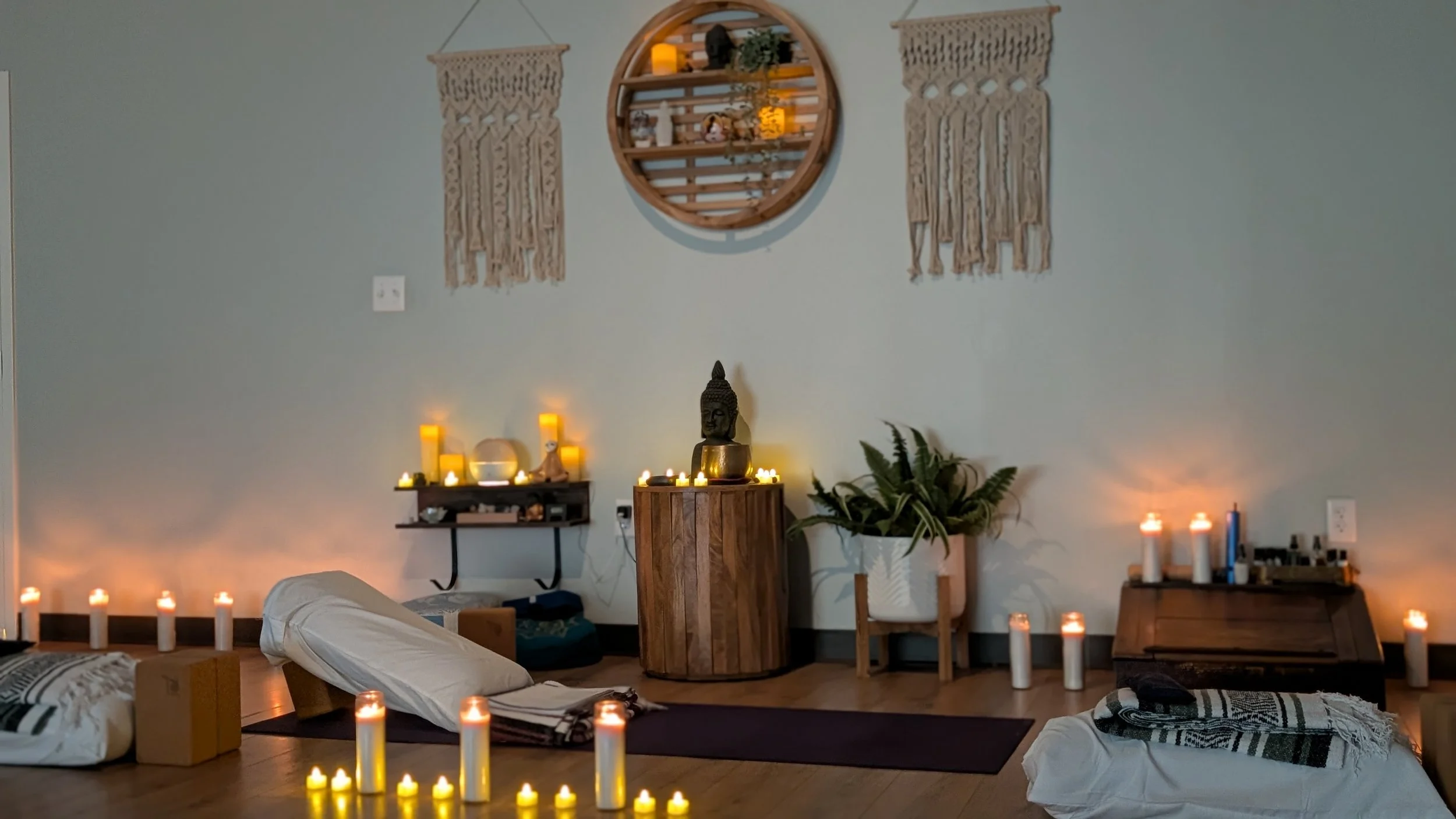
Walking into a yoga studio for the first time involves a particular kind of uncertainty that is hard to describe to people who have not felt it. You are not sure what you are supposed to do with your body, what the room will feel like, or whether everyone else will somehow already know what is happening. The answer to that last one is no. Every person currently practicing at Emerald was a confused beginner once, and the classes and processes here are built with that in mind. You do not need to be flexible, experienced, or in any particular shape to walk through the door. You just need to show up. What follows is an honest account of what your first visit will actually look like, from booking to the last breath of class.
The first practical decision is which class to start with, and it matters more than most people realize. Yoga classes vary significantly in pace, intensity, and what they ask of the body, and walking into the wrong one for your experience level tends to produce frustration rather than the experience you were hoping for. At Emerald, every class is ranked with gems so you can orient yourself before you book. One gem is the gentlest entry point and the right place to start for most new students. Two gems is a moderate pace. Three gems is the most physically demanding option and not where you want to begin. Starting at the beginning is not a limitation. It is just where everyone starts.
For your first class, Yoga Basics is specifically designed for people who are new to the practice. It covers foundational poses, common terms, alignment principles, and how to use props effectively. Soulful Slow Flow is a gentle, slower-paced class with breathing exercises woven in, well suited if you are new or coming back after time away or an injury. Restorative Yin focuses on longer, supported stretches that allow the body to release deeply held tension over time. Revive and Thrive combines gentle movement with self-acupressure and calming breathwork. If you already exercise regularly and want more physical engagement from the start, Flow is Emerald's most popular all-levels class and a solid option for students who want a more active experience without jumping straight to the most demanding format.
Class sizes are limited, which is part of what allows teachers to actually pay attention to the people in the room. Signing up online in advance reserves your spot. If a class is full, the waitlist is worth joining since cancellations happen regularly. New students can start with thirty days of unlimited yoga for fifty-nine dollars, which covers both in-studio classes and livestream. The intro month is unlimited specifically so you can try different classes and teachers before settling into a regular schedule, which is the fastest way to find what actually works for your body and your life.
Wear something comfortable that lets you move and bend freely. Leggings, joggers, or shorts with a fitted top work well. Looser clothing tends to slide around in forward folds and inversions in ways that become distracting. Yoga is practiced barefoot, so no special footwear is needed. Bring water and a mat if you have one. If you do not have a mat yet, We have mats available to borrow at no cost, and they are cleaned after every use.
Plan to arrive ten to fifteen minutes early for your first class. This gives you time to sign in at the front desk, complete a short intake form, and get a sense of the space before things begin. Before class starts, tell the teacher it is your first time and mention any injuries or physical limitations you are working with. This takes about thirty seconds and meaningfully changes what the teacher can offer you. There is nothing to be embarrassed about. Every teacher here genuinely wants to know how they can help you better. A good teacher will adjust their cues, offer modifications before you have to ask, and keep an eye on you during the poses most likely to need adjustment for a newer student. If you have questions about what to expect, the teacher before class is the right person to ask.
Most yoga classes follow a similar structure. You will typically start seated or lying down, taking a few minutes to arrive and settle into your breath before the movement begins. From there, the class moves into a warm-up that wakes up the body gradually, followed by the main practice: a series of poses held individually or flowed together with the breath. The pace depends on the class format and the teacher. The class winds down with slower stretches and ends with Savasana, several minutes of rest lying on your back while the body integrates the work of the class. Savasana tends to catch new students off guard because it looks like doing nothing and is actually one of the more significant parts of the practice. The nervous system uses that time to process what just happened, and cutting it short or mentally checking out the moment you lie down means missing an important part of the practice..
During class, your teacher will offer modifications for most poses. A modification is the version of the pose that makes sense for your body today, and choosing one is a sign of good judgment, not a sign that you are behind. Props like blocks and straps exist to help you access what a pose is designed to do without requiring flexibility or range of motion you have not developed yet. Experienced students use them regularly. Resting in Child's Pose at any point during class is always an option and never requires explanation. You do not need to push through something that does not feel right. If something hurts, back off or stop entirely and tell your teacher after class. Discomfort from effort is part of the practice. Sharp or localized pain is not.
Please cancel at least two hours before class if you cannot make it so that if someone is on our waitlist we can allow them to join.
After class, give yourself a moment before rushing out. Drink water and notice how you feel compared to when you walked in. Most people feel better than they expected to. Some mild soreness in the following day or two is normal, particularly in the hips and hamstrings, and tends to ease as you practice more regularly. Two or three classes a week produces cumulative changes in the body that a single class cannot replicate. The thirty-day intro period is unlimited precisely because the first few weeks are about building habits and routines, not about any individual class being perfect.
Emerald Yoga Studio is at 15 Columbia Rd, Suite 10 in Pembroke, Massachusetts, and has been welcoming students from across the South Shore since 2010. You can see the full schedule and book your first class at emeraldyoga.com.