
You Do Not Need to Be Flexible to Start Yoga
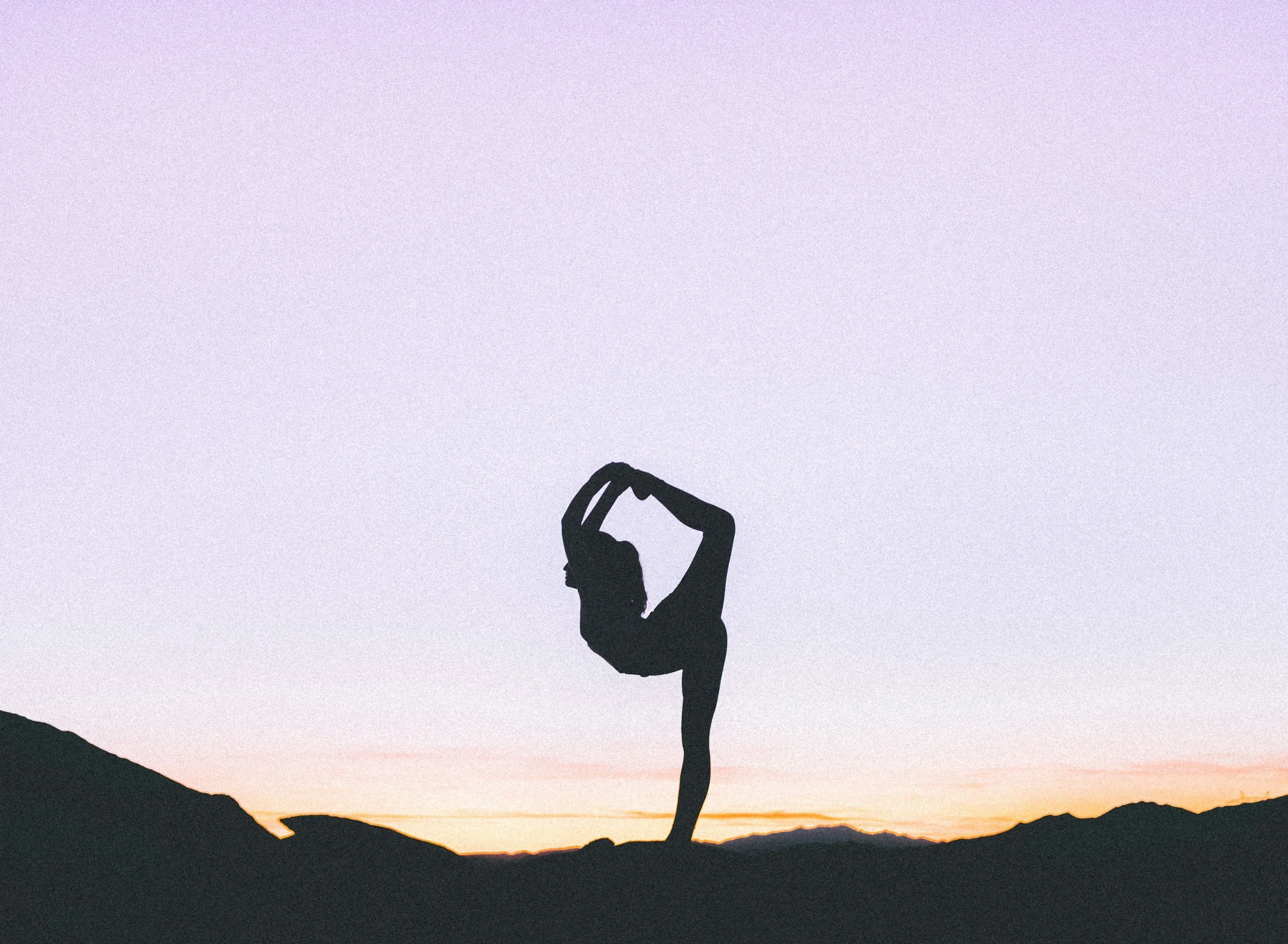
The single most common reason people give for not trying yoga is that they are not flexible enough. It comes up so often that most yoga teachers have a stock response ready, something reassuring about how everyone starts somewhere. The reassurance is true but it does not fully address the underlying misconception, which is that yoga is a flexibility practice and that people who are not flexible are therefore not suited to it.
Flexibility is an outcome that some people develop through yoga practice. It is not a prerequisite for showing up. The difference between those two things is significant, and understanding it removes one of the most common barriers between people and a practice that could genuinely help them.
Here is what actually happens when a student with limited flexibility starts practicing regularly. The muscles and connective tissue begin to respond to the novel demands being placed on them. Range of motion tends to increase gradually over weeks and months, particularly in areas that have been chronically shortened by posture, occupation, or the simple accumulation of years. This process is slower for some bodies than others, and some students will always be less flexible than others regardless of how long they practice. What every student gains, regardless of starting point, is a more functional relationship with their own body. That is worth considerably more than the ability to touch your toes.
The students who benefit most from yoga are often the ones who feel furthest from the ideal image of what a yoga body looks like. People with tight hamstrings, stiff hips, limited shoulder mobility, and backs that have been giving them trouble for years are exactly the students for whom the practice was designed to be useful. The loosening of tissue, the development of strength around vulnerable joints, the breath work that addresses the nervous system component of pain and tension: these are not bonuses for already-flexible students. They are the core value of the practice, and they are most needed by people who are coming in stiff.
It is also worth being clear about what flexibility actually is and what it is not. Flexibility refers to the passive range of motion available in a muscle or joint. It is largely determined by genetics, bone structure, and the length of connective tissue, which is why some people are naturally more flexible than others and why flexibility gains from stretching are real but have limits that no amount of practice will overcome. Hypermobility, the ability to move joints well beyond their normal range, looks impressive but is often associated with instability and injury risk rather than physical health. Many highly flexible students at Emerald are actually working on developing more stability and strength, because their joints need support more than they need range.
What is more practically relevant than flexibility for most people is mobility, which is the ability to actively control movement through a range of motion. You can be flexible without being mobile, which means you can be moved passively into a range you cannot access or control on your own. Yoga develops mobility, not just flexibility, because it asks the muscles to work actively within the range they are being asked to access. This is part of why yoga is useful for injury prevention and recovery in ways that passive stretching is not.
The poses that scare students with limited flexibility most, deep forward folds, hip openers, backbends, all have modifications and variations that make them accessible at any starting point. A forward fold with bent knees and a block under the hands is still a forward fold. The muscles being targeted are still working. The breath is still part of the equation. A hip opener with a bolster under the thigh is still developing the same awareness and release as the same pose without the support. Props and modifications are not lesser versions of the poses. They are the versions of the poses that make sense for the body in front of them.
At Emerald, we welcome students at every starting point, and we have been doing that since 2010. Some of the most dedicated students we have are people who walked in extremely stiff and stayed because the practice gave them something real. Their practice looks different from someone who came in naturally open, and it has produced different results, but it has produced real ones. Less pain in the lower back. Better sleep. More ease in daily movement. A calmer relationship with a body they had spent years at war with.
If flexibility has been the reason you have not tried yoga, the invitation is to let that reason go. Come as you are, with the body you have today, and let the practice show you what it can do with it. You do not need to prepare. You do not need to stretch first or get more flexible before you show up. That is like saying you need to get healthier before you start seeing a doctor. The practice is the thing that produces the change. Walking in the door is the only prerequisite.