
The Real Reason People Quit Somewhere Around Week Six
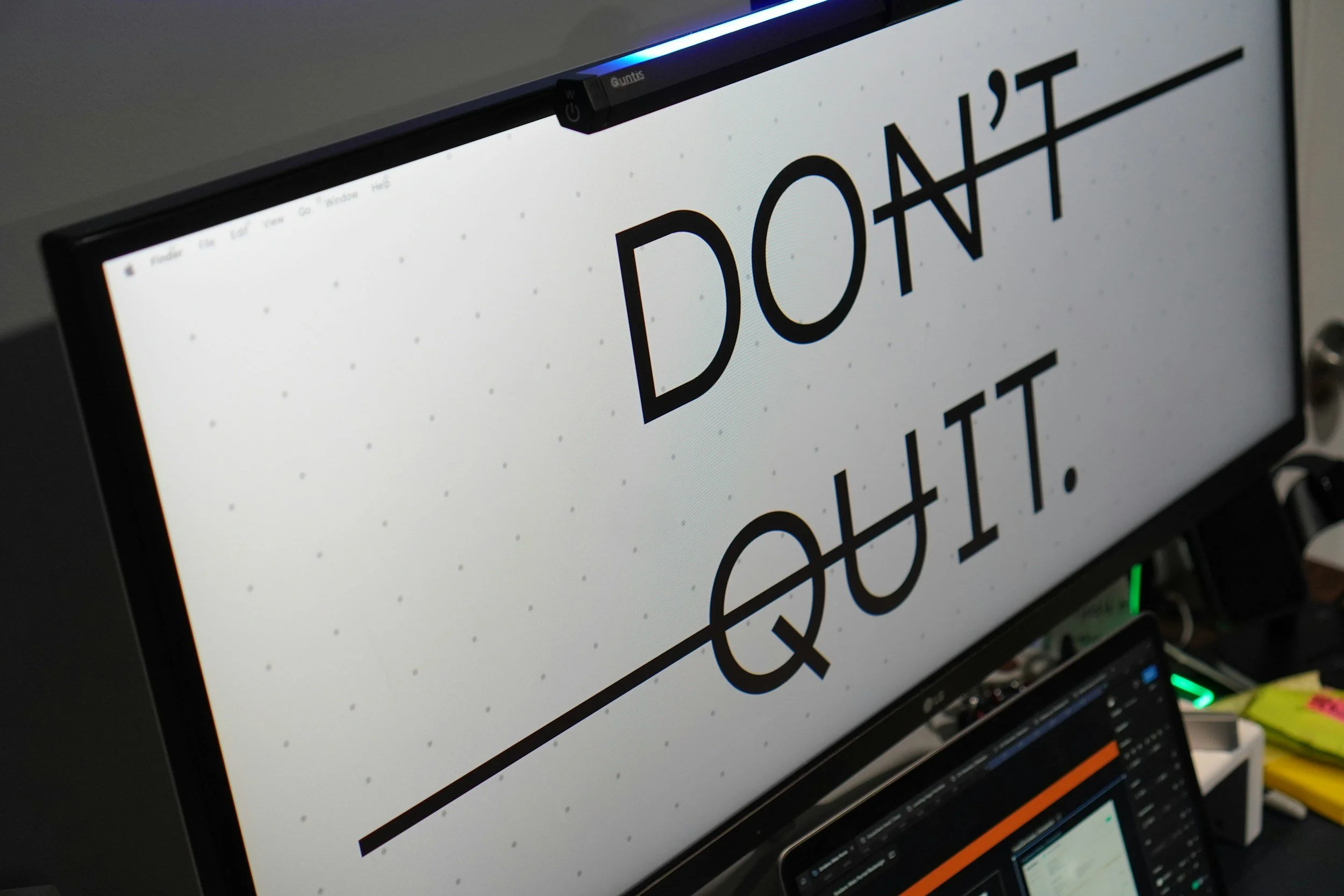
If you’ve ever started a yoga practice with real enthusiasm and then quietly stopped going a month or two later, you’re not the exception. You’re the pattern. Most people who try yoga for the first time drop off somewhere between week six and week ten, and it almost never has anything to do with willpower.
Here’s the story most people tell themselves about it: I got busy, motivation faded, life got in the way. It’s a convenient explanation because it puts the problem safely outside the practice itself. Nobody has to admit the practice stopped feeling worth prioritizing. But talk to people honestly about why they stopped, and a different reason shows up far more often. They stopped because the first few weeks felt good in a way they could point to: sore muscles, a sense of accomplishment, maybe even visible change. Then that feedback leveled off. Nothing was wrong. The practice was still working. It just stopped announcing itself, and without that daily proof, it got easier to skip a class, then easier to skip a week, then easier to just not renew.
That’s the part nobody warns you about. Early progress in yoga is loud. You notice you can finally touch your toes, or hold a plank ten seconds longer, or that your shoulders don’t ache by Thursday the way they used to. Those are real and worth noticing. But they’re also front-loaded. What comes after is quieter: better balance under stress, a body that recovers faster, the ability to actually notice tension before it becomes pain. It happens slower, and it’s easy to mistake quiet for stalled.
If you’re in that stretch right now, the flat part where nothing feels new, that’s not a sign to stop. It’s usually a sign you’re right at the point where most people give up, which means you’re closer to the good part than the boring part suggests. Think of it less like hitting a wall and more like being underwater between two waves. The first wave already lifted you. The next one is coming. It just hasn’t arrived yet, and there’s nothing to do in that gap except keep swimming.
A few things help here, and none of them require more discipline than you already have. Change what you’re measuring. If you’ve been tracking flexibility or how a pose looks in the mirror, start paying attention instead to how you feel afterward, or how your breath behaves under stress off the mat, or whether you’re sleeping better on the days you practice. That’s where the real gains show up next, and they’re just as real even though nobody can see them from across the room.
Change what you’re doing, too, if the plateau is partly boredom. A Power Vinyasa class hits differently than Soulful Slow Flow, and switching things up for a few weeks can wake the practice back up without you needing more motivation than you started with. Sometimes the plateau isn’t in your body at all. It’s in the routine, and the fix is as simple as taking a class you wouldn’t normally choose.
It also helps to remember why you started in the first place, honestly, not the version you’d put on a form. Maybe it was stress, or a doctor’s suggestion, or curiosity, or something harder to name. That reason doesn’t disappear just because the results got quieter. If anything, it’s usually still there waiting to be noticed again once the initial novelty wears off.
And tell someone. Students who mention the slump out loud, to a teacher or a practice partner, tend to stay far longer than the ones who quietly disappear, because saying it out loud turns a private doubt into a shared, solvable thing. We’d rather hear “I feel like I’ve stalled” than watch a name quietly stop showing up on the roster.
Mostly, we just want you to know this ahead of time instead of finding out by quitting. The plateau is not the practice failing you. It’s the practice asking for a little more trust than the first few weeks required. If you hit that point, come talk to us before you talk yourself out of the mat. We’ve walked a lot of people through exactly this stretch, and it gets good again, often better than it was at the start.