
Why the People You Practice With Matter
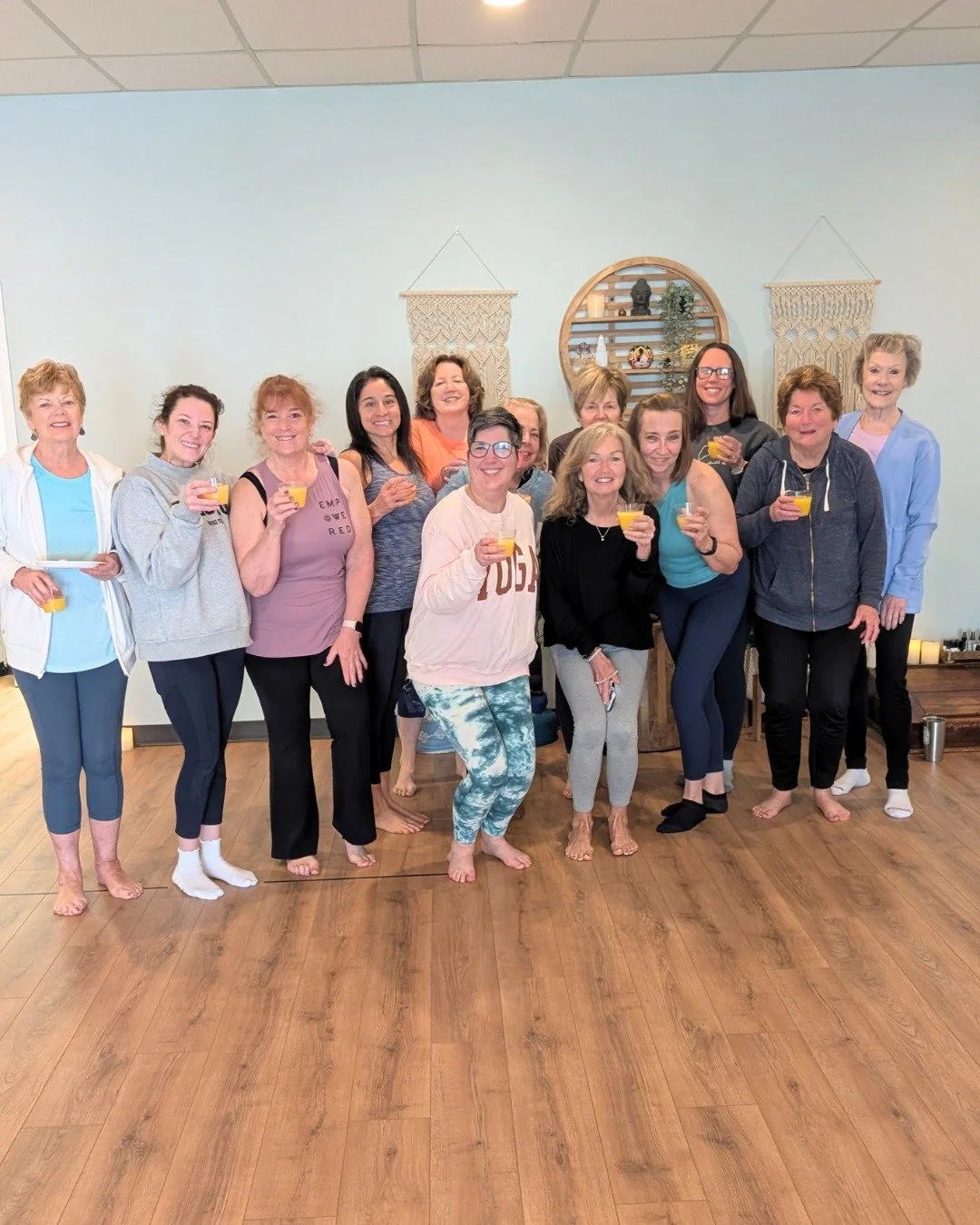
There is a version of yoga practice that is entirely individual. You roll out your mat, move through the class, and the people around you are largely beside the point. Some practitioners prefer this, and a private practice has real value. But most people who stay with yoga over the long term do so in large part because of who they practice with. The community around a regular class does something to the practice that the poses alone cannot, and it is worth understanding what that is and why it matters.
When you practice alongside the same people week after week, something accumulates. You start to notice each other's habits, recognize when someone is having a hard day, share the particular satisfaction of getting through a challenging class together. The room develops a texture that is different from a room full of strangers, and that texture affects how you practice. People work a little harder, stay a little more present, and feel a little more supported when they are surrounded by people who are genuinely rooting for them.
Research on behavior change consistently shows that social context is one of the most powerful predictors of whether people maintain new habits. The person who starts a new practice alone and the person who starts with a community have significantly different long-term outcomes. Knowing that the people in Tuesday's class will notice if you stop coming changes the calculation around whether you actually show up. That accountability is not pressure in the negative sense. It is the natural result of being somewhere that people care whether you are there.
At Emerald, community is not a word we use because it sounds good. It is the actual experience of what happens here. Students greet each other by name. When someone lands a pose they have been working toward for months, the room reacts. People ask after each other's injuries, remember the names of each other's kids, and show up for each other in ways that extend well beyond the hour they share on the mat. We have watched friendships form here that have lasted years, and we have watched people get through genuinely hard seasons of life with the support of the people they practice with.
Building this kind of environment requires something specific from the people who set the tone. It requires learning every name, paying attention to what is going on with people beyond their practice, and creating a culture where each person's experience matters to the people around them. It requires that the success of the person on the next mat is something to celebrate. When someone gets their first crow pose at Emerald, the whole room cheers. That is not a policy. It is just what people do here, because the culture has made it natural.
Yoga philosophy has a concept that speaks directly to this: sangha, the community of practitioners. In the broader tradition from which yoga draws, sangha is considered essential to the path, not supplementary to it. You need other people practicing alongside you to sustain the kind of effort that real change requires. Practicing alone is possible. Practicing in genuine community is faster, more sustaining, and more enjoyable in ways that compound over time.
We have been building this community on the South Shore since 2010, and the students who have been with us the longest are among the most consistent practitioners we know. They have stayed not just because they love yoga, but because they love the people they do it with. New students become part of that community faster than they usually expect, because the people who have been here a while remember what it felt like to walk in for the first time and they make a point of welcoming the people who come after them.
If you have been practicing alone or moving between studios without finding somewhere that feels like home, the difference a real community makes is hard to overstate. You practice more, you progress faster, and the whole thing is more worth doing. That is what we have built at Emerald, and it is what we are most proud of after sixteen years.