
The Difference Between Practicing Yoga and Just Doing Yoga Poses
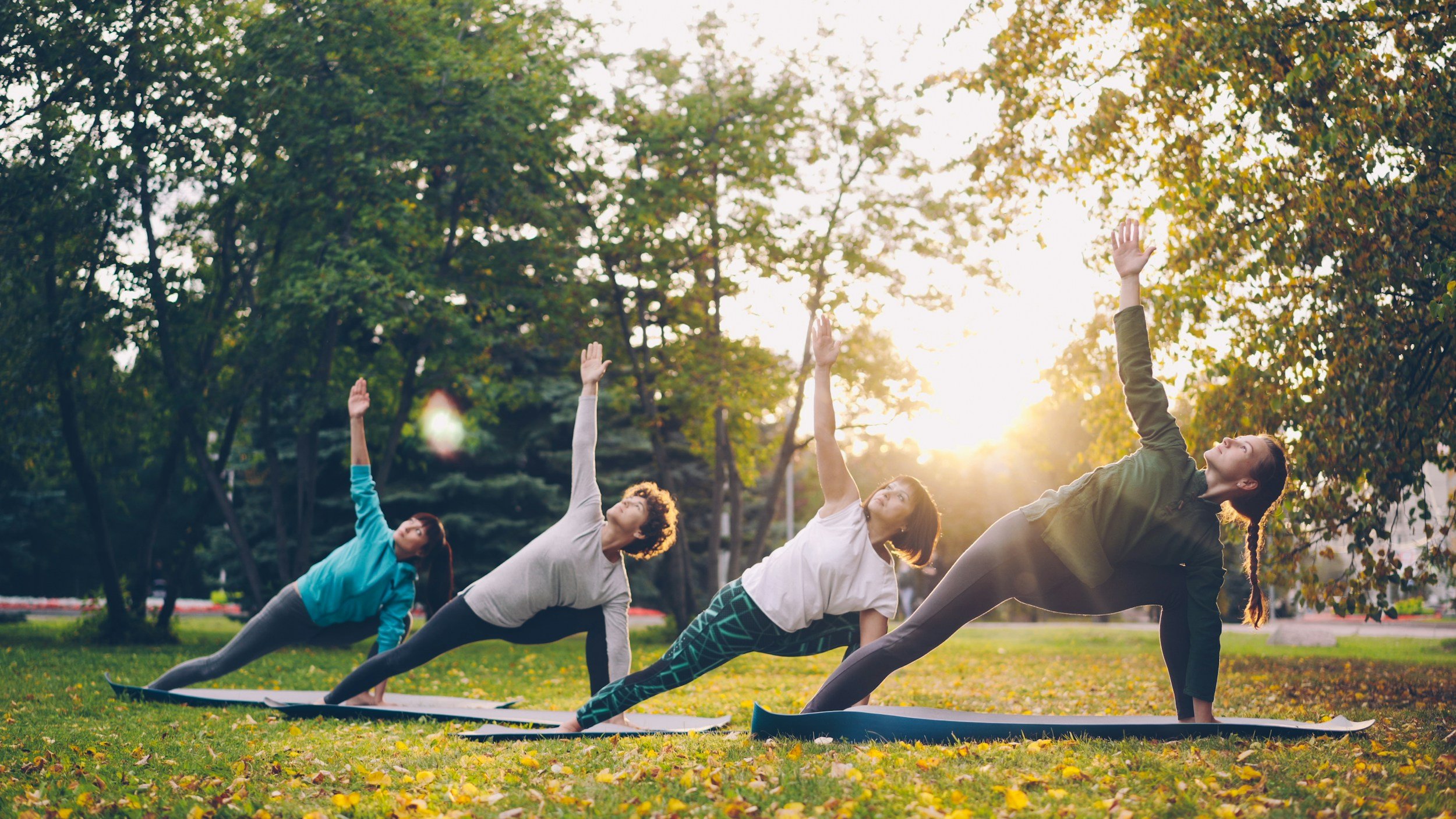
You can do a yoga class and leave with a decent workout, some increased flexibility, and a mild sense of calm, and never touch the practice of yoga at all. That sounds like a contradiction, but it is a distinction that matters, and understanding it changes what you get out of the time you spend on the mat.
Yoga poses, the physical shapes the body makes during class, are called asana in Sanskrit. Asana is the third of eight limbs in Patanjali's description of the practice. It is one component in a larger system that includes breath work, concentration, ethical principles, and progressively deeper states of mental clarity. The physical postures were designed to prepare the body to sit in meditation, not to produce a fit physique, though fitness is often a side effect. When asana is practiced with breath awareness, genuine attention to sensation, and the intention to understand something about your own patterns, it is yoga. When it is practiced as a sequence of shapes to move through while thinking about other things, it is exercise. Both are fine. Only one of them is the practice.
The difference shows up most clearly in how students approach challenging poses. A student doing yoga poses will assess a difficult posture by whether they can achieve the shape, whether their hands touch the floor, whether they look right. A student practicing yoga will assess it by what is happening in their body, where the sensation is, what the breath is doing, whether there is gripping or bracing somewhere that is creating unnecessary tension. The questions are different, and they lead to different places over time.
This is not a judgment about which way is better for everyone. Someone who comes to yoga primarily for the physical benefits and gets them is doing something valuable. But students who want more than a physical practice, who are drawn to yoga because something about it seems to address more than just the body, need to know what the additional layer actually is and how to access it.
The access point is attention. Specifically, the sustained, curious, non-reactive attention to present experience that yoga philosophy calls svadhyaya, or self-study. In practical terms, this means being in the pose with enough presence to actually notice what is happening rather than just executing the shape and moving to the next one. It means treating the breath as information rather than background. It means noticing when the mind has wandered into planning or judgment and returning it to the physical experience without making that a problem.
This kind of attention is a skill that most people have to deliberately develop. It does not usually come naturally, particularly in a culture that rewards multitasking and has conditioned most of us to be somewhere other than where we are. Yoga class is one of the more useful environments for developing it because the structure creates conditions where presence is genuinely possible. The teacher is guiding you. The sequence is decided. The phone is put away. You have fewer excuses for being elsewhere than usual, and the practice asks you to use that window.
At Emerald, the teachers who have been with us longest care about this distinction and teach with it in mind. The cues they offer are designed to direct your attention inward, to your breath, to the quality of your engagement with the pose, to what your body is actually doing versus what you think it should be doing. This is what we mean when we talk about learning to listen to your body. It is the ongoing practice of paying honest attention to your own experience, and it is available in any class if you are looking for it.
New students often arrive focused on what the poses look like from the outside. That is understandable. Visual information is how we learn new physical skills. But over time, as the poses become more familiar, the visual question starts to matter less and the felt sense of the practice becomes more available. Students who have been coming to Emerald for a few years often describe a shift that happened somewhere in their practice where they stopped trying to look like the person in front of them and started actually inhabiting their own body. That shift is what makes the practice genuinely sustaining over the long term.
The poses are the medium through which yoga works, but they are not the point of it. The point is the quality of presence and self-knowledge that develops from paying sustained honest attention to your own experience over time. That is available to any student in any class, regardless of how long they have been practicing or what their body can do. It just requires deciding to look for it.