
Why Yoga Can Be Hard at the Beginning
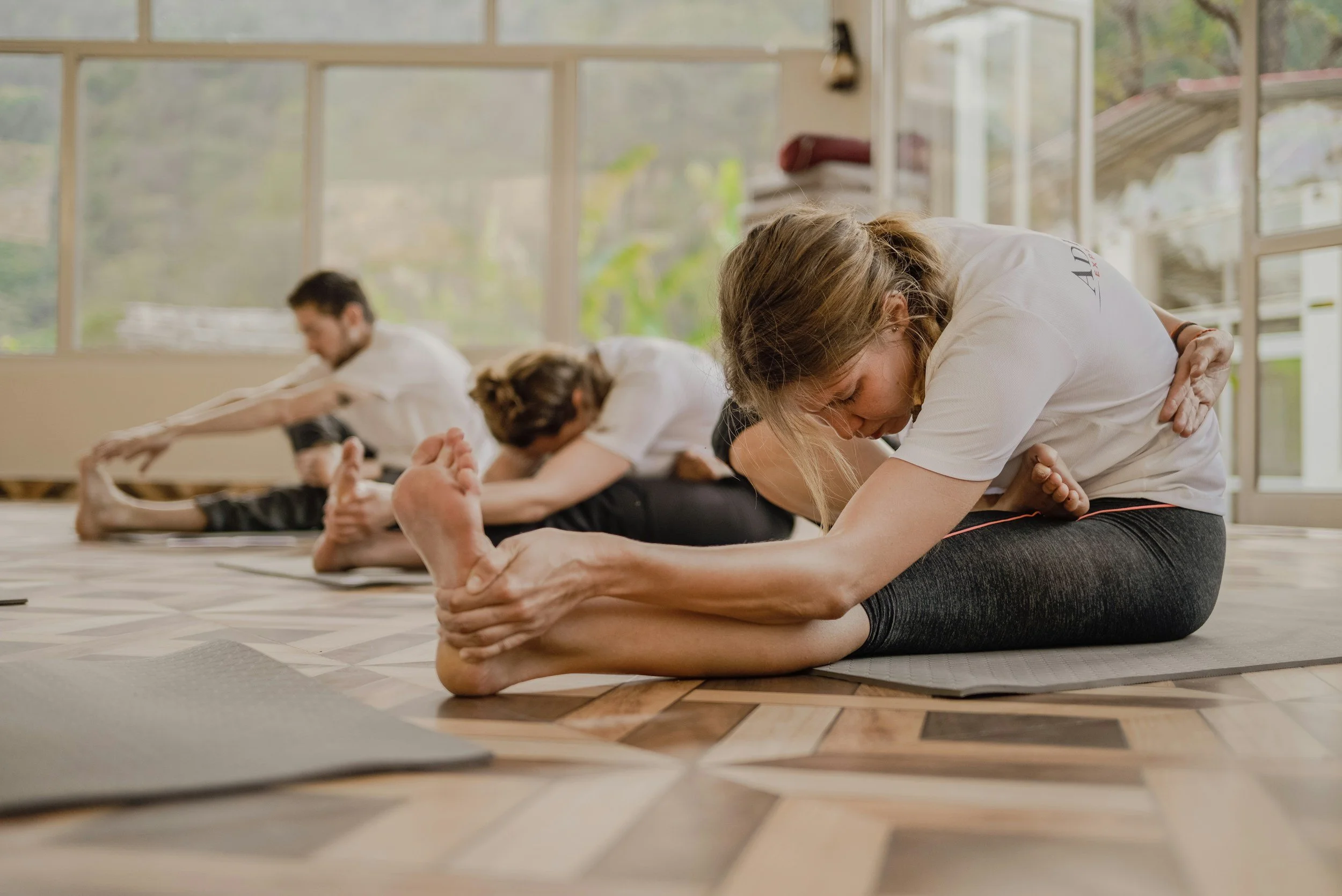
Nobody tells you before your first yoga class that you will spend a meaningful portion of it confused about which foot goes where, slightly off-balance, and acutely aware of everyone around you who appears to have been born knowing what a Warrior Two is. This is normal. It is also not the hardest part.
The physical challenge of a beginner yoga class is real but manageable. Muscles that have not been asked to work in certain ways will protest. Hips that have spent years in chairs do not open overnight. Flexibility, balance, and strength all take time to develop, and a good teacher will tell you this on your first day. What tends to catch beginners off guard is the mental dimension of practice, which nobody really warns you about.
Yoga asks you to pay attention to your body in a sustained and specific way that most people have never been asked to do before. Not just to move it, but to notice what it is doing while it moves, where you are holding tension, whether your breath has gone shallow, what your face is doing. That quality of attention is a skill, and like any skill it feels awkward before it feels natural. In the early classes, the effort of following instructions and keeping up with the sequence leaves very little room for the inner attentiveness that yoga is actually training. This can make the practice feel like it is not working when it is, in fact, doing exactly what it is supposed to do.
There is also the matter of ego, which yoga philosophy addresses directly and which most beginners encounter without realizing it. Walking into a room where other people appear more capable is uncomfortable. The mind starts comparing, evaluating, and generating a running commentary on your performance relative to everyone else's. This commentary is not a distraction from the practice. Learning to notice it and return your attention to your own body is the practice. It just does not feel that way when you are in the middle of it.
The other thing worth knowing is that the first few classes are the hardest the practice will ever be, for the simple reason that everything is unfamiliar. The names of poses, the flow of sequences, the way the breath is meant to connect to the movement, the unwritten etiquette of a yoga room: all of it is new information arriving at once. That cognitive load eases considerably once the basic vocabulary becomes familiar, and what felt overwhelming in the first class starts to feel navigable by the fifth or sixth.
Yoga is hard at the beginning because it is asking for something most people have not been asked for before: honest, sustained attention to present experience without immediately trying to fix or improve it. That is a harder ask than touching your toes. It is also the thing that makes the practice worth continuing.