
Move Through the Cycle: How Yoga Transforms You Over Time
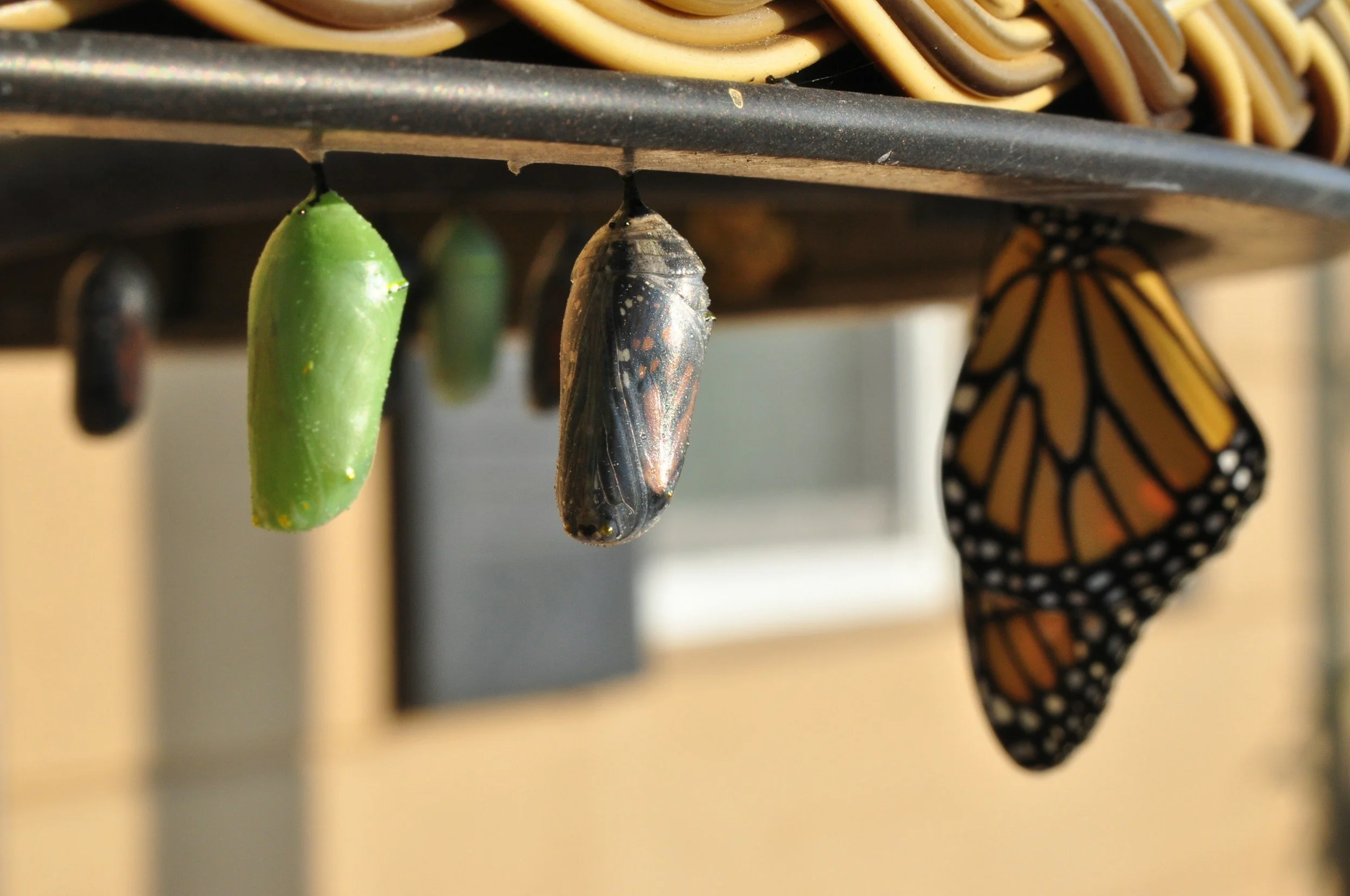
After years of practice, study, and teaching, I have come to understand transformation in yoga as something gradual and deeply human. The word transformation is used often, yet it rarely unfolds like a caterpillar transforming into a butterfly. What I have witnessed in myself and in many students is that change follows a cycle. It moves through layers of the body, the mind, and daily life.
In the beginning, change usually appears in the body. A student feels stronger and breath becomes fuller. Posture begins to shift and movement feels more coordinated. This stage builds attention and presence. The body becomes a doorway into awareness through sensation and breath both on and off the mat.
As practice continues, the focus deepens. Students begin to notice internal responses when balance is lost or effort increases. Frustration, pride, doubt, and determination may arise alongside physical sensation. The practice reveals habits of mind as clearly as patterns in muscle. Yoga expands beyond movement into awareness of reaction.
With time, a pattern becomes visible. Awareness arises when a habit or belief is seen clearly. Discomfort often follows because familiar ways of being resist change. Integration takes place as new understanding shapes daily choices. Expansion appears as clarity and ease increase. Then the cycle begins again at another layer.
For someone newer to yoga, this cycle may feel simple. You learn to breathe more fully in class. Later, you notice how often breath is held during stress. With practice, deeper breathing becomes more natural in daily life. Stressful moments begin to feel more manageable.
For someone with years of practice, the changes can be subtler. You may notice attachment to being strong or capable. You may recognize resistance to rest. As awareness grows, effort becomes more balanced and movement becomes more honest. These shifts influence how you approach work, relationships, and conflict.
Long term practice teaches patience. Lessons return in new forms. A period of strength may be followed by injury or fatigue. These experiences invite adaptation and humility. Each cycle strengthens resilience and perspective.
Yoga reshapes the understanding of effort over time. In the early years, effort often feels like pushing. With experience, effort becomes more intelligent and responsive. You learn to sense when engagement supports growth and when it drains energy. This discernment carries into daily decisions and interactions.
Rest plays an essential role in this cycle. Savasana allows the nervous system to absorb what has been practiced. Without rest, insight remains conceptual. With rest, understanding becomes embodied. Integration prepares you for the next stage of growth.
Years of study deepen this process. Philosophical teachings connect with lived experience. Compassion, non attachment, and self study become practical tools. Patterns are recognized sooner and recovery from difficulty becomes more efficient.
Yoga does not remove challenges from life. It changes how you meet them. Awareness increases and space opens between stimulus and response. That space allows wiser choices.
If you are newer to yoga, remain curious and attentive to what practice reveals. If you have practiced for many years, reflect on the cycles you have already experienced. Growth continues in layers.
Transformation in yoga is an ongoing process of seeing clearly and responding with care. After decades of practice, this remains the most consistent lesson. Each cycle brings greater understanding. Each layer reveals deeper insight. Over time, yoga becomes integrated into the way you live and respond to the world.